

Hyperbaric Oxygen Therapy
Hyperbaric oxygen therapy delivers pure oxygen inside a pressurized chamber to increase the amount of oxygen reaching the body's tissues; this page explains what the treatment involves and what to expect.
what is hyperbaric oxygen therapy?
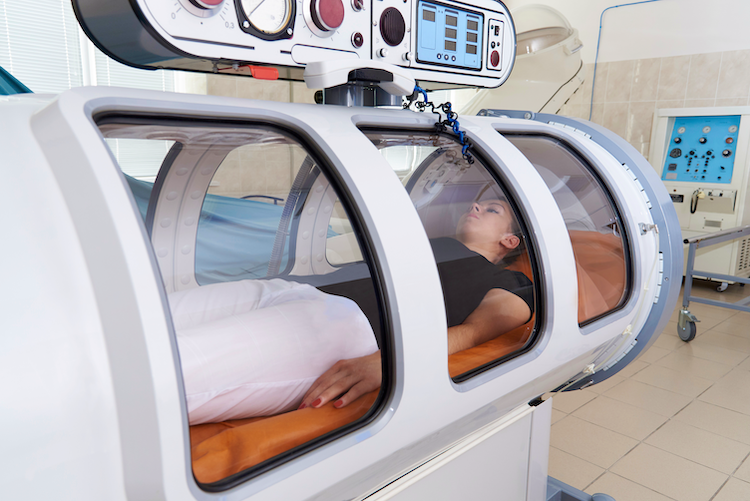
Hyperbaric oxygen therapy (HBOT) is a medical treatment in which a person breathes nearly 100% oxygen while inside a sealed chamber that is pressurized to a level higher than normal sea-level air pressure. Normal air is about 21% oxygen at one atmosphere of pressure (called "one atmosphere absolute," or 1 ATA). During HBOT, the chamber is pressurized to about 2 to 3 times normal atmospheric pressure while pure oxygen is delivered.
This combination of increased pressure and pure oxygen dramatically raises the amount of oxygen dissolved in the blood and delivered to body tissues, far more than can be achieved by breathing oxygen at normal pressure. Treatment takes place in either a monoplace chamber (a clear, single-person tube) or a multiplace chamber (a larger room where several people are treated at once, sometimes with a nurse or attendant inside).
Conditions It May Be Used to Treat
Hyperbaric oxygen therapy is an established treatment for a number of conditions. Recognized medical uses include:
Carbon monoxide poisoning
Decompression sickness (a diving-related illness, sometimes called "the bends")
Air or gas embolism (gas bubbles in the bloodstream)
Gas gangrene and other serious tissue-destroying (necrotizing) soft-tissue infections
Crush injuries, compartment syndrome, and other sudden traumatic loss of blood flow
Chronic, non-healing wounds, such as diabetic foot ulcers and wounds with poor blood supply
Delayed radiation injury to soft tissue or bone, a possible late effect of cancer radiation treatment
Refractory (hard-to-treat) bone infection (osteomyelitis)
Severe blood-loss anemia when transfusion is not possible
Brain abscess
Serious burns
Idiopathic sudden sensorineural hearing loss (sudden hearing loss of unknown cause)
The specific pressure, session length, and number of treatments are chosen by the hyperbaric physician based on the condition being treated.
How It Works
Under increased pressure, oxygen dissolves directly into the blood plasma in much larger amounts than usual, independent of red blood cells. This delivers a high supply of oxygen to tissues that are injured, infected, or lacking adequate blood flow. The main effects include:
Reducing low-oxygen (hypoxic) conditions in damaged tissue and reducing swelling
Promoting the growth of new blood vessels and supporting wound healing
Fighting certain infections, especially bacteria that cannot survive in an oxygen-rich environment
Helping the body clear carbon monoxide from the blood
Shrinking gas bubbles in the body, which is the basis for treating decompression sickness and gas embolism, since increased pressure physically reduces bubble size
What a Treatment Session Involves
A typical session lasts about 90 to 120 minutes and is divided into three phases. Most conditions require repeated sessions, often given daily on multiple consecutive days, sometimes 20 to 40 sessions in total.
1. Compression phase. After settling into the chamber, the pressure is gradually increased. During this phase, a feeling of fullness or pressure in the ears is normal, similar to the sensation felt when an airplane descends or when driving down a mountain. This is the time to actively equalize ear pressure (see below). The chamber may also feel warmer during compression.
2. Treatment (steady) phase. Once the target pressure is reached, it is held steady while pure oxygen is breathed, usually through a mask, a clear hood, or the chamber itself. Oxygen is often given in cycles, with brief "air breaks" of breathing regular air to lower the risk of oxygen-related side effects. This is usually the most restful part of the session, and many people relax, rest, or sleep.
3. Decompression phase. At the end, the pressure is slowly lowered back to normal. During this phase the ears may feel like they "pop" or clear on their own. Once pressure returns to normal, the session is complete.
Throughout the session, trained staff monitor the person, and communication with the team is possible at all times.
Ear and Sinus Pressure Equalization
Because the middle ear and sinuses are air-filled spaces, changes in chamber pressure are felt there most strongly, especially during the compression phase. Learning to equalize ear pressure is one of the most important parts of a comfortable, safe treatment.
Techniques to equalize the ears include:
Swallowing or yawning
Gentle jaw movement from side to side
The Valsalva maneuver: gently pinching the nose closed, keeping the mouth shut, and softly trying to breathe out through the nose to "pop" the ears
The Toynbee maneuver: pinching the nose closed and swallowing
Equalizing early and often during compression, before pressure builds up, is more effective than waiting until discomfort develops.
When equalizing is difficult, nasal congestion from a cold, allergies, or sinus problems can make it harder. Helpful measures may include decongestant sprays or medications recommended by the care team, and slowing or briefly pausing the rate of compression to allow time to catch up. If pressure still cannot be equalized and ear pain develops, the pressure change is stopped or reversed so no injury occurs.
For people who repeatedly cannot equalize, or who cannot actively equalize, such as those on a ventilator, an ear, nose, and throat (ENT) specialist may place a small pressure-equalization tube in the eardrum before therapy. This tube allows pressure to balance automatically and greatly reduces the risk of ear injury.
If equalizing is not managed well, the eardrum and middle ear can be injured by pressure, a condition called middle ear barotrauma. This is the most common side effect of hyperbaric oxygen therapy. It usually causes ear fullness, discomfort, or muffled hearing, and in most cases it is mild and heals on its own.
Possible Risks and Side Effects
Hyperbaric oxygen therapy is generally very safe, and serious complications are rare. Possible effects include:
Common and usually mild:
Ear pressure discomfort or middle ear barotrauma, the most frequent side effect
Sinus pressure or "sinus squeeze"
Temporary nearsightedness (blurred distance vision), which typically improves over weeks after treatment ends
Fatigue after sessions
Claustrophobia or anxiety inside the chamber
Temporary drop in blood sugar in people with diabetes
Uncommon or rare:
Oxygen toxicity, which can rarely cause a seizure during treatment; such seizures stop when oxygen is removed and do not cause long-term seizure risk
Lung-related effects, such as cough, from breathing high levels of oxygen
Injury to the inner ear, teeth, or lungs from pressure changes (very rare)
Cataract formation or worsening with a very large number of treatments
Collapsed lung (pneumothorax), extremely rare
Who May Not Be Able to Undergo Hyperbaric Oxygen Therapy
The main absolute reason hyperbaric oxygen therapy cannot be given is an untreated collapsed lung (pneumothorax), which must be treated first.
Several conditions may require extra caution or evaluation before treatment, including:
Certain lung diseases or air-filled cysts (blebs) in the lungs
Recent ear or sinus surgery, or active ear/sinus infection or congestion
Difficulty equalizing ear pressure, which may need ear tubes first
Uncontrolled high blood pressure
Heart failure or reduced heart function
Uncontrolled seizures
Severe claustrophobia
Pregnancy, evaluated case by case
Certain medications
A hyperbaric physician reviews each person's full medical history, often with a physical exam, chest imaging, and other tests, to help decide whether hyperbaric oxygen therapy is appropriate.
Key Points
Hyperbaric oxygen therapy delivers pure oxygen under increased pressure to boost oxygen supply to tissues that need it.
It is used for a defined set of conditions, from carbon monoxide poisoning and decompression sickness to non-healing wounds, radiation injury, and sudden hearing loss.
Sessions have three phases, compression, treatment, and decompression, and are usually repeated over many days.
Actively equalizing the ears during compression is important for comfort and safety; persistent difficulty can be managed with medications, slower compression, or ear tubes placed by an ENT specialist.
Side effects are usually mild, and serious complications are rare, but certain conditions require caution or must be addressed before treatment.
This information is general patient education and does not represent a recommendation of specific care. See the site disclaimer for more information, and discuss individual circumstances with a treating physician.

This page