
Treatments: Botulinum Toxins (Botox, Dysport, and others)
Botulinum toxin injections are used for both cosmetic and medical purposes; this page explains how they work and how they are used across several conditions.
What botulinum toxins are and how they work
Botulinum toxins are purified proteins made by a bacterium called Clostridium botulinum. Although the natural toxin in large amounts can cause a serious illness called botulism, the medicines used in clinics contain tiny, carefully measured, purified doses that are safe when given by trained professionals.
Several brand-name products are available. These include Botox (onabotulinumtoxinA), Dysport (abobotulinumtoxinA), Xeomin (incobotulinumtoxinA), Daxxify (daxibotulinumtoxinA), Letybo (letibotulinumtoxinA), and Myobloc (rimabotulinumtoxinB), among others. The products are similar but not interchangeable; their doses are measured in different units, so they are not directly comparable one-to-one.
How it works: Nerves normally tell muscles to contract, and tell certain glands to produce fluids such as sweat and saliva, by releasing a chemical messenger called acetylcholine. Botulinum toxin blocks the release of acetylcholine at the point where nerves meet muscles or glands. As a result, the targeted muscle relaxes or the targeted gland produces less fluid. Because the toxin is injected in small amounts into specific locations, its effect stays mostly local.
Why it wears off: The effect is temporary. Over weeks to months, nerve endings recover and normal signaling returns, which is why treatments generally need to be repeated to maintain the benefit.
A few general points
Botulinum toxin effects are always temporary, so ongoing benefit requires repeat treatments.
The different brands are dosed differently and are not interchangeable.
These medicines are given by trained clinicians experienced with the specific procedure.
People with certain nerve-muscle disorders, those who are pregnant or breastfeeding, and those with an allergy to the product are generally advised to discuss risks with their own clinician before treatment.
Rarely, effects of the toxin can spread beyond the injection area. Symptoms such as trouble swallowing, speaking, or breathing, or new widespread muscle weakness, warrant immediate medical attention.
This page is general education and is not medical care or a recommendation for any individual; please see the site disclaimer.

Cosmetic uses of Botulinum toxins
What it is used for: Botulinum toxin injection is the most common minimally invasive cosmetic procedure performed in the United States. It is used to soften wrinkles in the upper face, most commonly the frown lines between the eyebrows ("elevens"), the horizontal lines across the forehead, and the "crow's feet" at the outer corners of the eyes. It works best on "dynamic" wrinkles that appear with movement and expression, and less well on lines that are present even when the face is at rest.
How treatment works: A clinician examines facial movements and injects small amounts of toxin into specific muscles with a fine needle. Relaxing these muscles smooths the overlying skin. No anesthesia is usually needed, and the appointment is typically brief.
What to expect: Results are not immediate. The effect usually begins within a few days and takes about two weeks to fully develop. Many people find the results predictable, with high satisfaction.
How long it lasts: Effects typically last about three to four months, after which repeat treatment is needed to maintain the appearance.
Risks and side effects: These are generally minor and include temporary bruising, swelling, or redness at the injection sites and occasional headache. Depending on injection technique, a drooping eyelid or eyebrow can occur; this is temporary and tends to be less likely with experienced injectors. Botulinum toxin is generally avoided in people with certain nerve-muscle disorders (such as myasthenia gravis) and in those with an allergy to the product's ingredients.

Hyperhidrosis (including Frey’s syndrome)
What it is: Hyperhidrosis is excessive sweating beyond what the body needs for temperature control. It commonly affects the underarms, palms, soles, or forehead and can interfere with daily activities, clothing, and confidence.
How treatment works: Because sweat glands are also switched on by acetylcholine, botulinum toxin injected just under the skin reduces the nerve signals that trigger sweating. For underarm sweating, many small injections are placed across the affected area. Underarm (axillary) hyperhidrosis is an FDA-approved use of Botox for severe cases not controlled by prescription-strength antiperspirants.
What to expect: Sweating in the treated area is noticeably reduced, and studies report improved quality of life and high patient satisfaction. A sweat-mapping test (an iodine-starch test) is sometimes used to identify exactly where to inject.
How long it lasts: Benefits generally last several months, and injections can be repeated as the effect wears off.
Risks and side effects: These are usually minor and include injection-site discomfort. When the palms are treated, temporary mild weakness of the hand muscles can occur.
Frey's syndrome (gustatory sweating): This is sweating, warmth, and flushing of the cheek and area in front of the ear that happens while eating or thinking about food. It most often develops after surgery on the parotid (a salivary gland near the ear), when healing nerves reconnect abnormally so that food-related signals reach sweat glands. Botulinum toxin injected into the affected skin is considered a first-line treatment and is highly effective, with a strong track record of success and few, minor side effects (such as temporary dry mouth or discomfort). The effect fades over time, and sweating tends to gradually return over the following one to three years, but repeat injections are safe and effective.

Spasmodic dysphonia
What it is: Spasmodic dysphonia, also called laryngeal dystonia, is a voice disorder caused by involuntary spasms of the muscles that control the vocal cords. The most common ("adductor") form causes a strained, strangled, or broken voice; a less common ("abductor") form causes a breathy, weak voice. It appears mainly during speech and can significantly affect communication, work, and quality of life.
How treatment works: Botulinum toxin injected in small amounts directly into the specific vocal-cord muscles reduces the spasms. The injection is usually guided by specialized techniques to reach the correct muscle. This is the standard, mainstay treatment for the condition.
What to expect: Most people with the adductor form experience substantial improvement, and in many cases speech becomes close to normal for a period of time. Results in the abductor form are less predictable. Because the spasms return as the medication wears off, treatment is repeated on a regular schedule, often every three to four months.
How long it lasts: The benefit typically lasts a few months per treatment before reinjection is needed.
Risks and side effects: After treatment of the common (adductor) form, a temporary period of breathy, weak voice and occasionally mild difficulty swallowing (especially with liquids) is common in the first days to couple of weeks. Treatment of the abductor form carries a small risk of breathing difficulty. Side effects are temporary and improve as the dose wears off.
Cervical dystonia
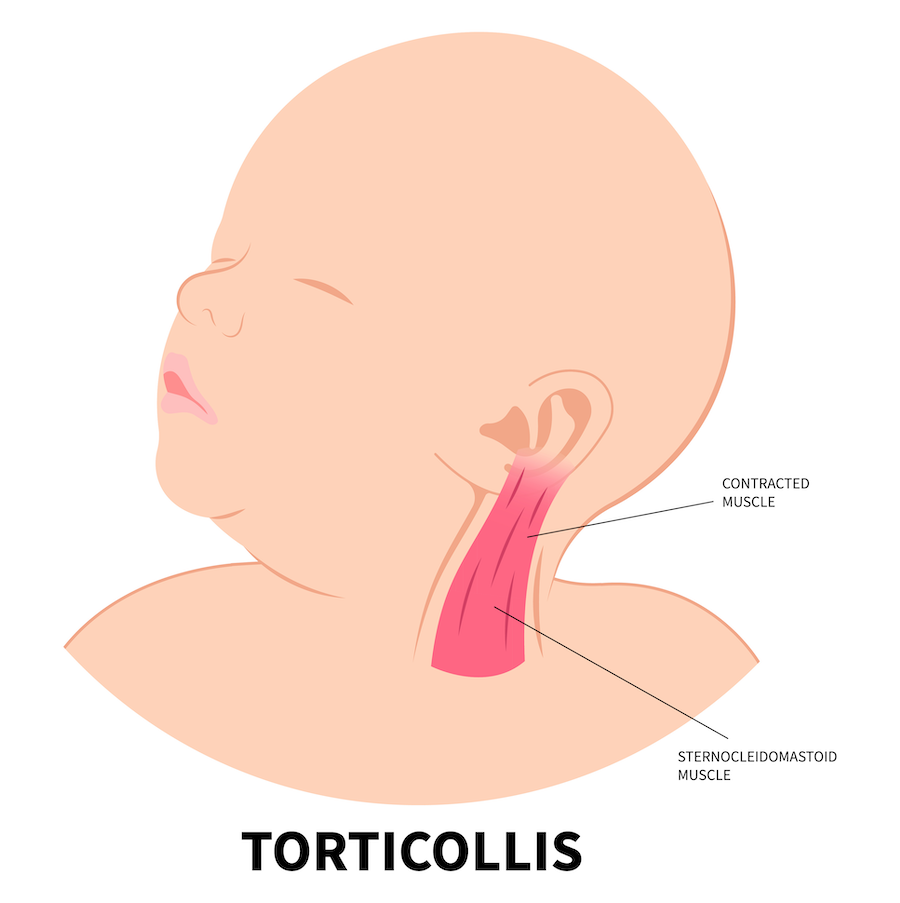
What it is: Cervical dystonia (also called spasmodic torticollis) is a neurological condition in which the neck muscles contract involuntarily, pulling the head into an abnormal position (turned, tilted, forward, or backward) and often causing neck pain.
How treatment works: Botulinum toxin is injected into the overactive neck muscles to relax them, reduce the abnormal posture, and ease pain. This is an FDA-approved use and is a mainstay treatment. A clinician identifies which specific muscles are pulling the head and targets those.
What to expect: Many people notice improvement in head position and a reduction in neck pain. The effect develops gradually over one to two weeks. The pattern of muscle involvement is reassessed at each visit, and doses may be adjusted.
How long it lasts: The benefit typically lasts a few months, and injections are repeated, commonly about every three months, to maintain relief.
Risks and side effects: The most common side effects are difficulty swallowing, neck weakness, and injection-site pain. These are usually temporary. Difficulty swallowing occurs because the medication can spread slightly to nearby muscles used in swallowing.
Sialorrhea (Drooling)
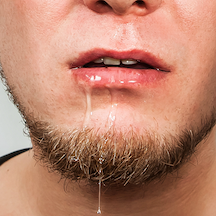
What it is: Sialorrhea is excessive drooling or difficulty controlling saliva. In adults it is often related to neurological conditions such as Parkinson's disease, stroke, or ALS; in children it is often related to conditions such as cerebral palsy or other neurodevelopmental disorders. Beyond social discomfort, it can cause skin irritation around the mouth and, in some cases, choking or lung infections from saliva entering the airway.
How treatment works: Saliva production is controlled by acetylcholine, so botulinum toxin injected into the salivary glands (the parotid glands near the ears and the submandibular glands under the jaw) reduces how much saliva they make. The injections are often guided by ultrasound to place the medication accurately. Xeomin (incobotulinumtoxinA) is FDA-approved for chronic drooling in adults and in children age two and older. Botulinum toxin is generally considered when simpler measures (such as behavioral therapy or oral anticholinergic medicines) have not worked well or are not tolerated, and before surgery is considered.
What to expect: Drooling is meaningfully reduced. In studies, improvement often appears within about a week and reaches its peak in the first few weeks after injection.
How long it lasts: The benefit generally lasts around four months or somewhat longer, and injections can be repeated, commonly about every six months, as needed.
Risks and side effects: These are usually mild and infrequent. The most common is dry mouth. Because the injections are near swallowing muscles, mild difficulty swallowing can occur. Treatment aims to reduce excess saliva without making the mouth uncomfortably dry.

This page